Black Friday 2024 Decoded: Key Insights to Boost Your eCommerce Strategy

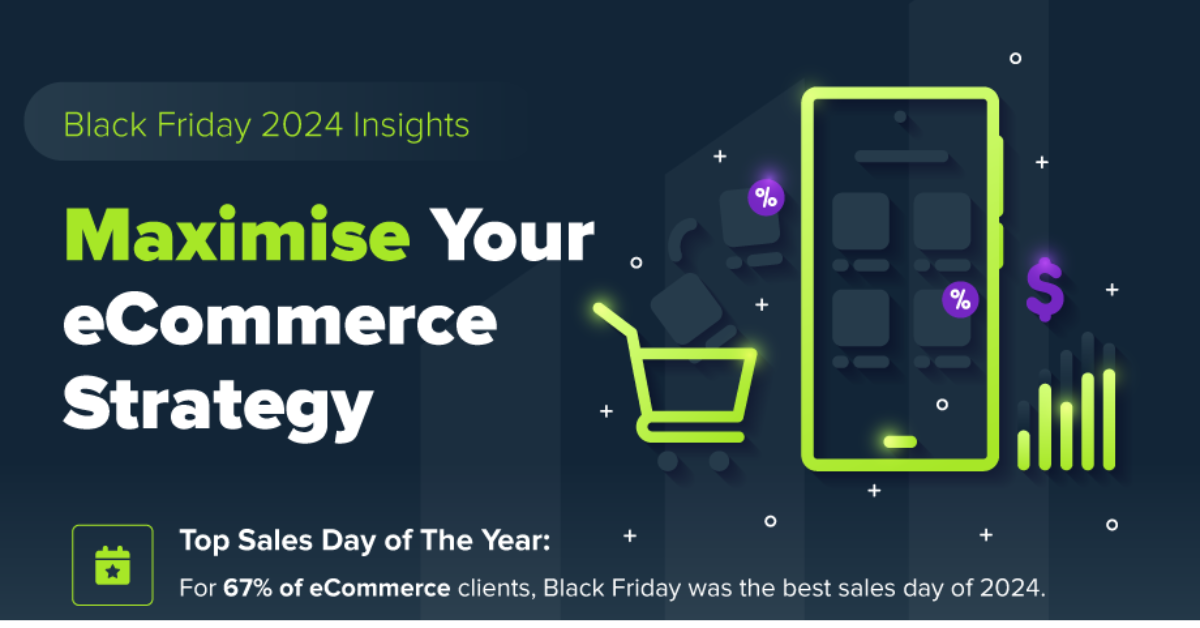
What separates Winners from Wishers? Yes, it’s data. In the high-stakes arena of eCommerce, Black Friday is no longer just a shopping event—it’s a strategic battlefield where marketing precision determines victory. This year, eCommerce brands have continued to leverage advanced marketing techniques to engage their customers, drive higher conversions, and maximise sales. Here are the key insights from Black Friday 2024, based on data collected from SALESmanago, that can help you optimise your eCommerce approach going forward.
This year’s data tells a different story when it comes to engagement. The optimal communication window shifted from the late afternoon (3-4 PM CET) to a surprisingly early morning slot (9-10 AM CET). This reflects changing consumer behaviour as shoppers increasingly start their Black Friday browsing earlier in the day, eager to grab the best deals. Despite the shift in communication timing, peak order activity on Black Friday still occurred between 4-5 PM CET. This indicates that while customers may begin their shopping earlier, they often wait until later in the day to complete high-value purchases.
The most successful brands recognised that timing isn’t just about when, but how. What’s the lesson here? You need to revise your communication strategies to ensure you’re reaching customers when they’re actively engaging:
Start your Black Friday campaigns earlier—set up your email campaigns and web push notifications to hit inboxes and browsers first thing in the morning. Consider testing different offer types for that window (e.g., early-bird specials, limited-time discounts).
Analyse your customer base to identify those who shop early (via data from previous campaigns) and tailor your communication to them with exclusive deals during that early window.
Send final push notifications and emails with your best offers right before or during the 4-5 PM peak time. Encourage urgency with language like “Last chance for today’s offer!” or “Hurry! Your cart is waiting.”
Use retargeting ads or emails for potential buyers who engaged earlier but didn’t convert. Remind them about items they viewed and provide a time-sensitive incentive to complete their purchase during this critical hour.
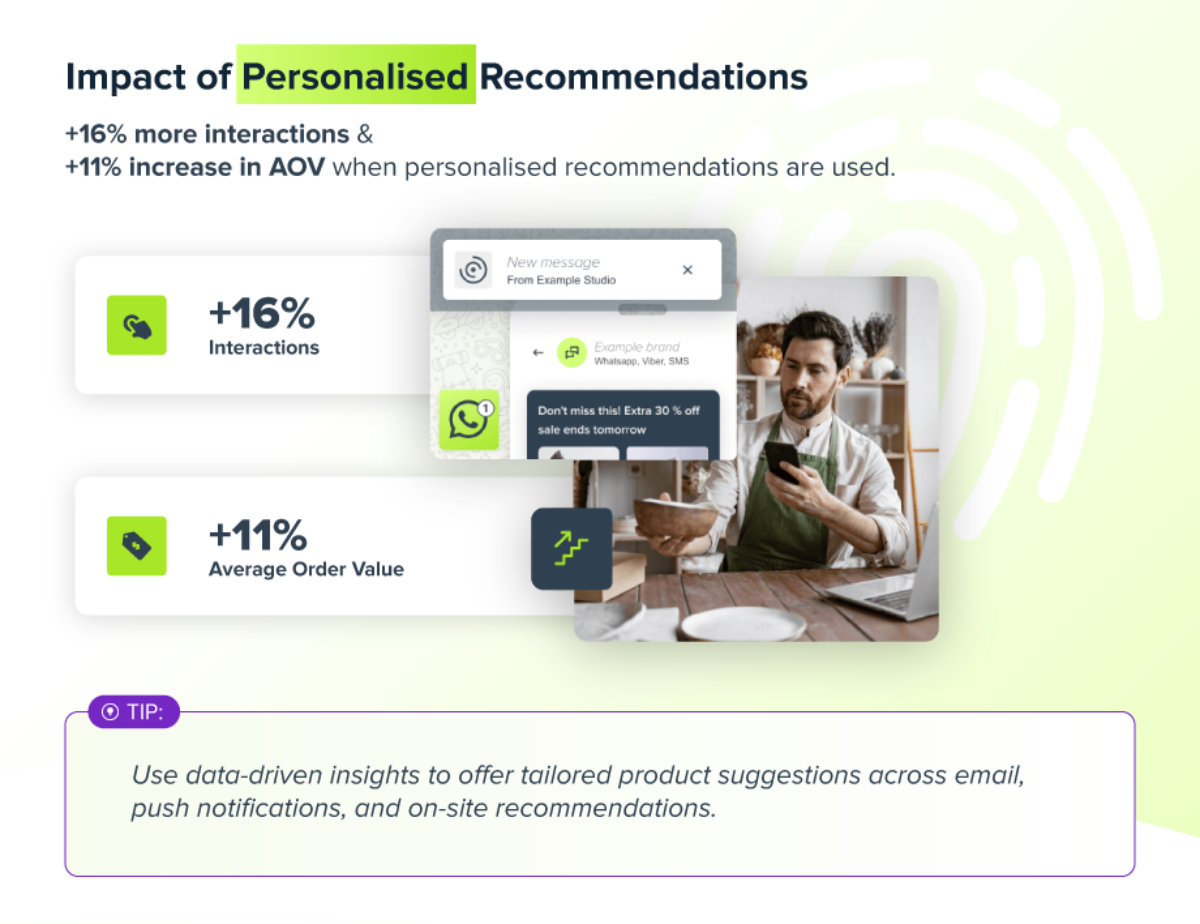
19% more interactions through personalised communication
16% increase in interactions for customers receiving tailored recommendations
11% boost in average order value for personalised experiences
One of the most significant takeaways from Black Friday 2024 is the growing importance of personalised communication, and it obviously isn’t just about addressing customers by name. Leverage customer data to deliver personalised experiences across email, push notifications, and on-site recommendations. This approach not only drives higher engagement but also leads to increased average order value (AOV).
Critically, customer responsiveness peaks within just 30 minutes of offer delivery. This narrow window demands precision, speed, and relevance in marketing communications. Use automation tools to send offers as soon as customers show interest. Engage them right after a visit to your site or a cart abandonment event.
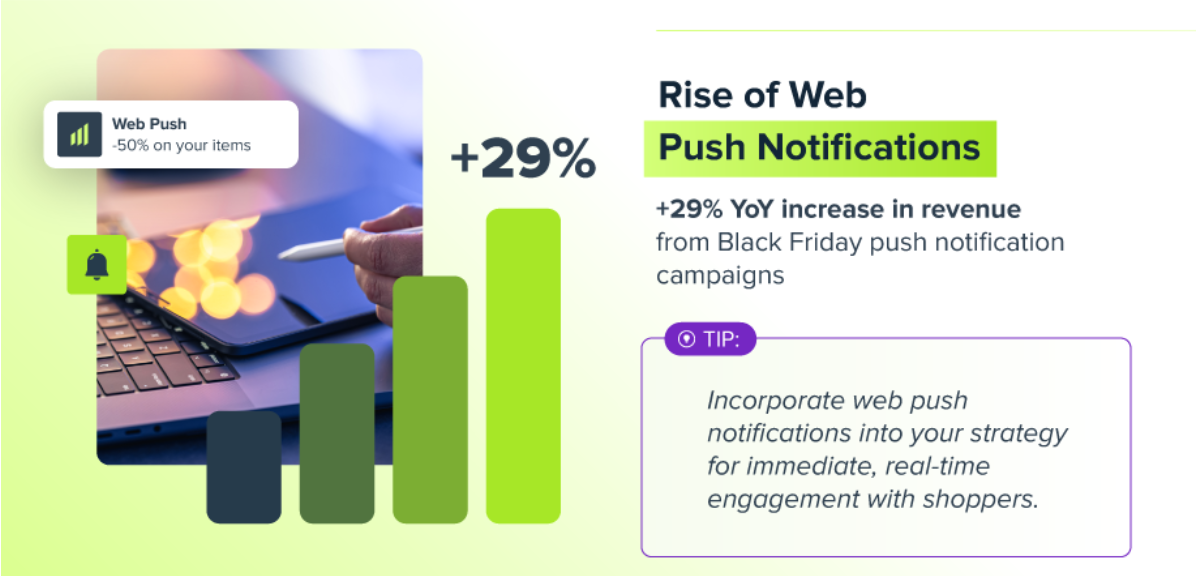
As for the channel dynamics, email marketing remains a powerhouse, but a new contender has emerged. Sales from push notifications saw a 29% year-over-year increase, making it an essential tool for driving conversions. Next year, incorporate web push notifications into your communication strategy. These notifications are highly effective at capturing customer attention in real time, especially during peak traffic periods. Pair web push notifications with personalized offers for an even more impactful strategy.
67% of e-commerce clients identified Black Friday as their top sales day
39% higher average order value compared to a typical Friday
21% increase in total products purchased
For 67% of our eCommerce clients, Black Friday was the top-performing sales day of the year, outpacing all other days in terms of revenue. Customers also spent significantly more—eCommerce clients experienced a 39% higher average order value compared to a typical Friday.This shows that Black Friday is (again) a prime opportunity for maximizing revenue. However, it’s not just about offering discounts; it’s about creating a well-rounded strategy that includes personalized offers, timely communication, and a seamless user experience.
Embrace early communication capitalizing on the new peak engagement window.
Invest in technologies that enable granular, real-time personalization across all channels.
Go for multi-channel approach
Design systems that can deliver personalized offers within the critical 30-minute engagement window.
As we look toward the rest of the holiday season and beyond, eCommerce brands should take these insights into account. By adapting to evolving consumer behaviors and using data to drive decisions, you’ll set yourself up for success in an increasingly competitive marketplace.


Google "what percentage of loyalty programs fail" and you'll get a wider range than the Andes (world’s longest mountain range for those of you who failed Geography). Depending where you read anywhere from 20% to 97%. That tells you two things. First, nobody really agrees on what "fail" even means. Second, quite a lot of loyalty programs aren&...
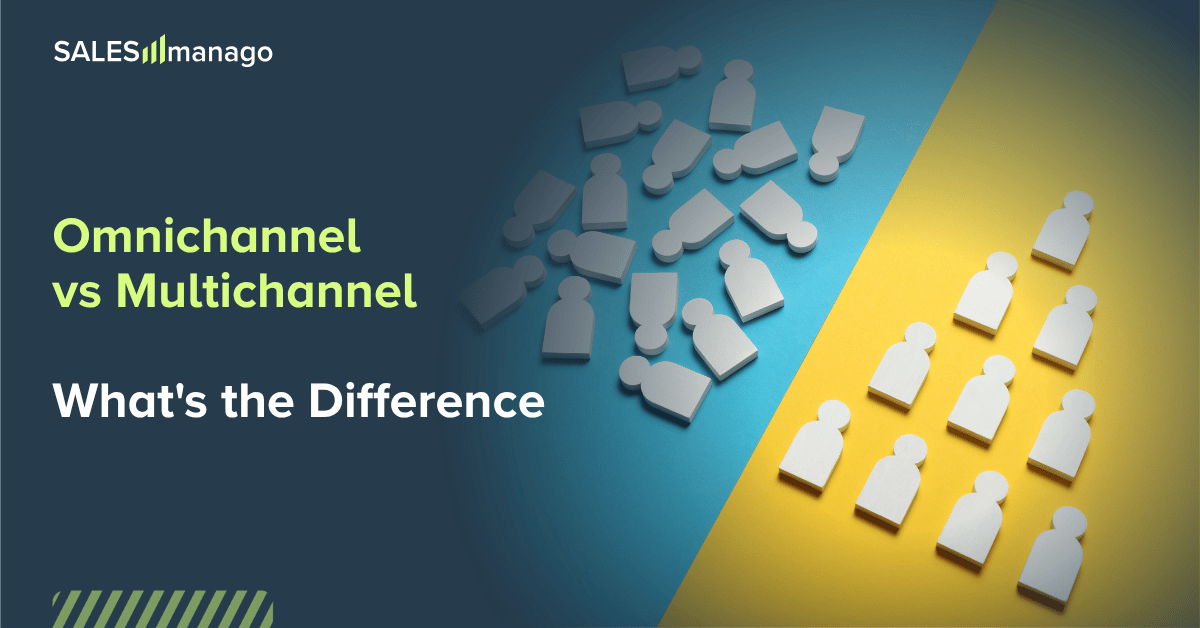
You’ve seen the slide before. You know the one with your brand in the middle, channels radiating outward like a proud little sun. Email, SMS, web push, social, paid ads, on-site personalisation, maybe a loyalty program if you're feeling ambitious. It says "
This month isn’t about being fooled by the next massive industry panic or buying into stressful, hyper-complex tech trends. Low-friction joy? Welcome to the era of Treatonomics.