Stop Automating the Wrong Things: Good eCommerce Marketing Automation Strategies

.png)
You’ve automated welcome emails. You’ve got abandoned cart sequences running. Congrats, you’ve checked the boxes every tutorial told you to check.
Meanwhile, your VIPs are churning because nobody automated the retention workflow. Your one-time buyers never get nudged towards a second purchase. Your mid-value customers drift away while you obsess over cart abandoners who were never going to buy anyway.
Here’s the problem. You’re automating in the wrong order. You picked the workflows that were easiest to set up, not the ones that actually drive revenue.

Most eCommerce brands approach marketing automation like a checklist. Welcome email? Done. Cart abandonment? Done. Browse abandonment? Done. Then they wonder why retention is still terrible and customer lifetime value won’t budge.
The issue is you’re automating tactics without a strategy. You’re building workflows in random order based on whatever blog post you read last week.
The benefits of marketing automation include improved efficiency, better customer experience, and enhanced campaign performance.
Let’s fix that.
Walk into any mid-market eCommerce business and ask to see their automation setup. You’ll find the same pattern every time.
Here’s how most brands build their marketing automation stack:
Month 1: Welcome email (because every platform has a template)
Month 2: Abandoned cart (because the ROI calculator looked good)
Month 3: Browse abandonment (because Klaviyo recommended it)
Month 4: Post-purchase thank you (because it seemed polite)
Notice what’s missing? Any strategic thinking about what actually moves your business metrics.
You automated what was easy to set up. Not what matters most for revenue. Not what your customers actually need. Just what the setup wizard made simple.
So now what? You’ve got four automations running. Maybe they’re even performing okay. But your retention rate is still stuck at 22%. Your customer lifetime value hasn’t moved. You’re spending 80% of your acquisition budget replacing customers who bought once and disappeared.
Because you never automated the workflows that prevent that from happening.
Think about the last automation you built. Did you choose it because your data showed it would drive the most revenue? Or because you watched a webinar and it looked straightforward?
Most brands automate what’s visible and ignore what’s valuable. Someone abandons a cart? Your dashboard screams at you. Easy to see, simple to trigger. Someone with a €2,000 lifetime value hasn’t bought in 60 days and is about to churn? Invisible unless you built a custom report.
So you’ve got three abandoned cart emails chasing €30 purchases while your best customers quietly disappear.
Talk to any eCommerce marketing team and they’ll tell you the same story. They’ve built 12-15 automated workflows. Maybe 4 or 5 are actually active. The rest are sitting in draft status or turned off because nobody had time to finish them.
The VIP reactivation campaign that would rescue high-value customers? Sitting at 60% complete because the content team never delivered the emails. The second-purchase nurture that would convert one-time buyers into repeat customers? Built but never launched because nobody could agree on the discount strategy. The loyalty tier progression workflow that would increase purchase frequency? Planned 8 months ago, still on the roadmap.
This happens because brands build eCommerce marketing automation in random order. They start projects based on enthusiasm, not impact. When resources get tight (which they always do), the high-impact stuff that’s harder to build gets abandoned. Well-designed marketing automation workflows, combined with close collaboration between marketing and sales teams, can prevent these abandoned projects.
You end up with an automation graveyard. Workflows that sounded brilliant in the planning meeting but never made it to production. Meanwhile, your welcome email is sending beautifully to people who’ll never buy again.
Automation platforms love giving you templates. “Click here to activate our abandoned cart workflow!” “Use our pre-built welcome series!”
Templates are fine for getting started. But they’re built for the average eCommerce store, not your business.
Your purchase cycle might be 6 months, not 30 days. Your customers might need education before they buy, not discounts. Your margins might not support the 15% off coupon in the template.
But you activate the template anyway because it’s there. And now you’re running marketing automation that’s optimised for someone else’s business model.
Picture this. You sell premium outdoor gear. Your average order value is €400. Purchase cycle is 8-12 months because people don’t buy hiking boots every quarter. You install a marketing automation platform and it recommends an abandoned cart sequence with 10% off after 24 hours.
So you send it. And you train your customers to abandon carts and wait for discounts. Your margin drops. Your brand positioning shifts from premium to promotional. All because you used a template designed for fast fashion, not your business.
The template didn’t know your business. But you ran it anyway.
Forget the templates. Forget what’s easy. Here’s how to actually prioritise your automation efforts.
This framework forces the question nobody asks: what’s this actually worth to us? By following a clear automation strategy and understanding how marketing automation work in practice, you can better prioritise which automations will deliver the most value and achieve those elusive business goals.
Map every potential automation workflow on two axes:
Revenue Impact (how much could this move your bottom line?)
Implementation Effort (how hard is this to build and maintain?)
Use tools to assess both revenue impact and implementation effort of each workflow, using data like customer demographics and behaviour to identify obvious decisions.
You get four quadrants:
High Impact, Low Effort → Do these first
High Impact, High Effort → Do these second (they’re worth the investment)
Low Impact, Low Effort → Do these third if you have the capacity
Low Impact, High Effort → Don’t do these at all
Most brands do this backwards. They chase Low Effort regardless of impact, then wonder why marketing automation didn’t transform their business.
This framework forces the question nobody asks: what’s this actually worth to us?
You can build an abandoned cart workflow in an afternoon. Takes maybe 3 hours. Recovers 8-12% of carts (industry average). If you’ve got 100 abandoned carts per week at €50 average, you’re looking at €400-600 per week in recovered revenue.
Nice. But not transformative.
Now consider a VIP retention workflow. Takes maybe 2 days to build properly. But if you’ve got 500 VIP customers with €1,500 average lifetime value, and this workflow prevents even 5% annual churn, you’ve just saved €37,500 in lifetime value.
Comparable effort, 60x the impact.
That’s the math most brands never do.
These are your quick wins. High revenue potential, relatively simple to implement with the right marketing automation platform.
Trigger: High lifetime value customer hits 45-60 days without purchase
Impact: Recovering 15-20% of at-risk VIPs can add 5-8% to annual revenue
Effort: One trigger, 2-3 emails, product recommendation engine
Why this matters more than cart abandonment: VIPs who’ve already spent thousands are worth more than someone who abandoned a €40 cart. Yet most brands have five abandoned cart emails and zero VIP retention automation.
You already know who your high-value customers are. You can see when they go quiet. Building a workflow that catches them before they fully churn isn’t complicated.
Day 1: “We noticed you haven’t shopped lately” with personalised product recommendations based on past purchases.
Day 7: Exclusive offer (15% for VIPs only, not blasted to your entire list).
Day 14: Last chance reminder.
That’s it. Three emails. One behavioural trigger. Potentially saves tens of thousands in lifetime value.
But most brands don’t build this. They’re too busy perfecting their abandoned cart sequence.
Trigger: 7-14 days after first purchase
Impact: Converting one-time buyers to repeat customers doubles their lifetime value
Effort: Email sequence with educational content, not just discounts
Getting a second purchase is your biggest retention lever. Someone who buys twice has a 45% chance of buying again. Someone who buys once? 22%.
That gap between first and second purchase is where most of your revenue leaks. Yet how many brands have a systematic workflow to bridge it?
You don’t need discounts here. You need to prove value. Show them how to use what they bought. Recommend complementary products. Share content that reinforces their purchase decision.
A beauty brand might send care instructions for the skincare product someone bought, then suggest a complementary serum that works with it. Not “here’s 20% off everything,” just “here’s how to get better results.”
Simple. High impact. Rarely built.
Trigger: Based on typical reorder cycle for product category
Impact: Prevents customer from shopping elsewhere when they need a refill
Effort: Product-specific timing, simple email reminder
If you sell anything people need to restock (supplements, coffee, pet food, skincare), this is free money.
You know when they’ll run out. 30 days for vitamins, maybe 14 days for dog food. Send a reminder 3-5 days before they run out, make reordering frictionless (one-click if possible), and you’ve just prevented them from buying from Amazon instead.
To make replenishment reminders even more successful, automate reach out on more than one channel. Use push notifications (when possible), email, and SMS. This multi-channel contact means customers receive messages at the right time.
This workflow can increase repeat purchase rate by 20-30% for consumable products. It takes an afternoon to set up.
Why doesn’t everyone do this?
These marketing automation strategies take longer to build but transform your business.
What it is: Different automation tracks based on where customers are in their journey (new, occasional, regular, VIP, at-risk, churned)
Impact: Massive. This is how you scale personalisation without manual work.
Effort: Requires proper customer data platform, behavioural scoring, content for each stage
This is the difference between sending everyone the same email and actually treating customers differently based on their behaviour.
New customers get onboarding and education. Occasional buyers get nudges to increase frequency. Regular customers get loyalty perks. VIPs get exclusive access. At-risk customers get win-back campaigns.
Same product catalogue, completely different messaging. Because someone who’s bought once needs different communication than someone who’s bought twelve times.
Building this properly takes time. You need customer data that updates in real-time as behaviour changes. You need segmentation that automatically moves people between lifecycle stages. You need content for each stage.
But once it’s running? Your marketing is personalised at scale. Customers get relevant messages instead of generic.
Most mid-market brands know they should do this. Very few actually build it. It’s easier to blast everyone with the same sale announcement.
What it is: Recommend products based on what similar customers bought, not just “related items”
Impact: Increases average order value and purchase frequency
Effort: Needs product affinity data, recommendation engine, testing to get right
The “customers who bought this also bought” approach is basic. Real cross-sell automation looks at purchase patterns across your customer base and predicts what someone’s likely to want next. To do this in the best possible way, you need to track customer behaviour and analyse customer behaviour patterns, so your recommendations are relevant and personalised.
Someone buys running shoes? Don’t just show them more running shoes. Look at what other customers with similar purchase histories bought. Maybe it’s running socks. Maybe it’s one of those straps you put on your arm to hold your phone. Maybe it’s completely unrelated but data shows a pattern.
This requires proper data infrastructure and a recommendation engine that’s smarter than “same category.” But when it works, you’re surfacing products customers didn’t know they wanted based on behaviour patterns they can’t see themselves.
Amazon built a business on this. You can do it too, just scaled to your size.
What it is: Different reactivation strategies for different types of churned customers
Impact: Recovers 10-15% of churned customers if done right
Effort: Requires churn analysis, segmentation, multiple content tracks
Not all churned customers are the same. Someone who churned because you were out of stock needs a different message than someone who churned because they found a cheaper competitor.
Re-engagement campaigns targeting the specific reasons for churn can improve your customer retention rates by addressing personal concerns and bringing back those unengaged users.
Someone who loved your products but moved house and forgot about you? Reactivate with a “we miss you” message and their favourite products.
Someone who had a bad customer service experience? An apology and goodwill gesture might work.
Someone who was only ever price-shopping and bought once on sale? Let them go. They’re not worth the win-back cost.
Most brands send the same win-back email to everyone. “Here’s 20% off to come back!” And they wonder why it doesn’t work.
Segment by why they churned. Message accordingly. Your recovery rate will do the rest.
Yes, it’s in Quadrant 3. Welcome emails are nice to have. They set expectations and maybe get a few early conversions. Welcome emails are everywhere in email marketing and can be included in automated email campaigns to introduce new subscribers and start building engagement.
However, someone who just gave you their email is the coldest lead in your database. They haven’t bought yet. They might never buy. Spending creative energy perfecting a welcome sequence for people who aren’t customers yet is backwards.
Build one when you’ve handled the high-impact stuff. Use a template. Don’t obsess over it.
Your VIP customers deserve more attention than your welcome email subscribers.
Cute. Might generate a few sales. Won’t transform your business. Do it if you want, but don’t prioritise it over retention workflows.
Some brands swear by birthday emails. They’ll tell you it drives €X in revenue per year. Great. Now compare that to what a proper VIP retention workflow would drive.
Birthday emails are icing. Build the cake first.
Polite, but low impact unless you’re using it strategically (requesting reviews, cross-selling, setting replenishment expectations).
A basic “thanks for your order” email does nothing. Everyone sends those. Customers ignore them.
If you’re going to automate post-purchase communication, make it useful. Tell them when to expect delivery. Show them how to use what they bought. Ask for a review after they’ve had time to try it. Suggest complementary products. A well-thought-out post-purchase email campaign that provides value or support can improve customer satisfaction.
But a standalone thank you? Waste of an email send.
Everyone talks about this. Very few brands make it work. The effort to build truly effective browse abandonment (not just “you looked at this, here’s 10% off”) rarely justifies the return.
Browse behaviour is messy. Someone might browse 15 products in a session. They’re researching, comparing, exploring. Sending an email about every product they glanced at is spam.
And if you’re just sending generic “we noticed you were looking at X” emails with a discount, you’re training people to browse without buying and wait for the email.
Save yourself the effort. Focus on customers who’ve actually bought something.
Sounds exciting in the planning meeting. Takes 6 months to build. Confuses customers. Doesn’t move metrics.
“Earn 100 points for a purchase! 500 points for a review! Redeem 1000 points for €10 off!”
Most customers can’t be bothered to track points. They want simple value, not math homework.
Loyalty programmes work. Gamification usually doesn’t. The complexity-to-benefit ratio is terrible.
Nice to have if you’re enterprise with a data team. Overkill for mid-market. You’ll spend more time maintaining it than acting on the insights.
You don’t need to know whether someone saw your Instagram ad, then clicked a Facebook retarget, then searched Google, then came back via email before buying.
You need to know which automations drive revenue and which don’t. That’s it.
Perfect attribution is a fantasy. Good enough attribution is good enough. Build for good enough. Focus on campaign performance metrics that matter most to your business.
Now that you know what matters, here’s the actual implementation guide for eCommerce marketing automation.
Before you build a single workflow, get your foundation right.
Clean Customer Data
Unified customer profiles. No duplicates. No orphaned guest checkouts creating separate records for the same person. If you can't track a customer across purchases, your automation will send duplicate emails and look stupid.
Most platforms can't do this automatically. You need a customer data platform that stitches identities together. Email, phone number, customer ID, all pointing to one profile.
Don't skip this. Automation on messy data is just automated mess.
Basic Segmentation
At minimum, you need RFM segmentation (Recency, Frequency, Monetary). Who bought recently? Who buys often? Who spends big?
Without this, you can’t identify your VIPs. You can’t spot at-risk customers. You’re flying blind.
Revenue Attribution
Which automations actually drive sales? You need to see this before you build more workflows.
If your abandoned cart sequence generates €500 per week and your VIP retention workflow generates €5,000, that tells you where to invest effort. But most brands don’t measure this. They just count email opens and assume everything’s working.
Set up proper attribution from day one.
Once your foundation is solid:
At-Risk VIP Reactivation (priority one)
Second Purchase Nurture (priority two)
Replenishment Reminders (if you sell consumables)
These three workflows alone can add 8-12% to revenue for most eCommerce brands. Build them first. Optimise them. Measure them. Then move on.
Don’t get distracted by abandoned cart emails yet. Your existing customers are more valuable than people who didn’t buy.
Once your foundation workflows are running and optimised, you can expand.
Yes, finally. You can build this earlier if your cart abandonment rate is absurdly high (75%+). But it’s not the priority most guides claim it is.
Build a 2-3 email sequence. Keep it short. Most cart abandoners weren’t going to buy anyway. Don’t waste creative energy here.
Email 1 (1 hour later): Simple reminder, no discount
Email 2 (24 hours later): Show what’s in cart, maybe free shipping
Email 3 (72 hours later): Last chance, small incentive if margins allow
That’s it. Three emails. Don’t build a seven-email abandoned cart sequence. Diminishing returns kick in fast.
Target customers who haven’t bought in 6+ months but had decent lifetime value. One last attempt to reactivate before you suppress them.
This shouldn’t be a desperate discount blast. Show them what’s new. Remind them why they bought from you in the first place. Make coming back easy.
If they don’t respond, let them go. Suppressing dead emails improves your deliverability for customers who actually care.
For complex products that need education, build post-purchase content series that increase usage and satisfaction.
Sold someone a high-end coffee machine? Send them brewing guides, bean recommendations, maintenance tips. Not selling. Helping.
Customers who use your products more become customers who buy your products more. Education drives retention. Automating the delivery of educational content actually reduces manual marketing tasks, too, so it will save you some of your precious time.
Now you’ve got enough data to see patterns. Build different tracks for new customers, occasional buyers, regulars, and VIPs.
New customers get onboarding. Occasional buyers get frequency-building campaigns. Regulars get loyalty perks. VIPs get exclusive access.
This is where marketing automation gets powerful. You’re treating different customers differently at scale.
Use purchase history and product affinity to recommend what customers actually want, not just what you want to sell.
Someone bought a yoga mat? Show them blocks and straps, not unrelated products. Someone bought premium dog food? Suggest treats and supplements in that same quality tier.
Match your recommendations to demonstrated preferences. Your conversion rate will triple compared to generic “you might also like” emails.
Frequency dropping? Monetary value declining? Build automations that catch deteriorating customers before they fully churn.
A customer who used to buy monthly but hasn’t bought in 6 weeks? Flag them. A customer whose average order value dropped 40%? Worth investigating.
These early warning triggers let you intervene before churn happens, not after.
Only now should you worry about the nice-to-have marketing automation strategies:
Welcome series optimisation
Birthday emails
Review request automation
Browse abandonment (if you must)
These are fine. They might add 1-2% to revenue. But as I said, they’re icing, not cake.
Most brands start here and never get to the foundation. Don’t be most brands.
Here's the thing nobody tells you. Some stuff breaks when you automate it. So don't do it.
When your biggest client has a question, they don't want an automated response. When a VIP customer churns, you don't send them through a workflow. You email them personally.
Think about it. Someone's spent €10,000 with you over two years. They go quiet. Your automated "we miss you" email with a generic 10% discount is insulting.
Pick up the phone. Send a personal email. Ask what happened. Offer something meaningful.
Automation scales the middle. For the top and bottom of your customer base, human judgement still wins.
Customer has a damaged product? Wants to return something? Confused about sizing? These need human support, not automated email sequences.
Yes, you can automate the initial response ("We received your message, someone will help you within 24 hours"). But the resolution? That's still human work.
Don't build elaborate automation for edge cases. Handle them manually. Save automation for repeatable, high-volume scenarios.
Automation works on rules. "If this, then that." But customer behaviour is messy.
Someone might abandon a cart because they're comparison shopping, because your shipping cost was too high, because they got distracted, or because they're waiting for payday.
One automated email sequence can't handle all those contexts intelligently. Don't try to automate nuance you don't understand.
Better to have a simple workflow that works for most scenarios than a complex workflow that tries to predict everything and fails.
You can automate content distribution. You can't automate content quality.
If your automation requires 10 pieces of educational content and you don't have them, the automation won't fix that. You'll end up with empty email shells or generic fluff that customers ignore.
Build the content first. Then automate the delivery.
Too many brands do this backwards. They build elaborate workflows, then realise they've got nothing valuable to send. So they fill it with promotional noise and wonder why engagement drops.
Right. Here’s your actual roadmap for implementing eCommerce marketing automation properly.
Audit Data Quality
Can you track customers across purchases? Are duplicate records creating chaos? Fix this first. You can’t personalise automation when you don’t know who people are.
Set Up RFM Segmentation
Minimum viable segmentation: Recency, Frequency, Monetary. Who are your VIPs? Who’s at risk? You need to know this before you automate anything.
Install Revenue Attribution
Every automation should show its contribution to revenue. Not email opens. Not click rates. Revenue. Build measurement before you build workflows.
Map Your Customer Lifecycle
What stages do people go through? First purchase, repeat buyer, regular, VIP, at-risk, churned. Understanding these stages drives everything else.
Don’t build five workflows. Build three. Do them well.
At-Risk VIP Reactivation
Second Purchase Nurture
Replenishment Reminders (if you sell consumables)
These three drive more revenue than ten abandoned cart emails. Prove it to yourself with attribution data.
Customer Data Platform
Real-time customer profiles that update as behaviour changes. Automatic segmentation. No manual CSV exports.
If you’re updating segments manually, you’re doing it wrong. Customer behaviour changes daily. Your automation needs to keep up.
Marketing Automation with Behavioural Triggers
Email, SMS, on-site personalisation, all triggered by actual behaviour. Not just “send email on Tuesday.”
Someone hits 45 days without purchase? Trigger fires automatically. Someone makes a second purchase? Different workflow activates. Zero manual work.
Choose automation software that supports advanced behavioural triggers and integrations so that your marketing automation strategies are the best they can be.
Content Library (or Plan to Create It)
You need actual content to fill your workflows. Educational guides, product recommendations, personalised offers. Not just “buy our stuff” emails.
If you don’t have content, building automation is premature. Create the content first.
Clear Measurement Framework
Revenue per workflow. Cost per workflow. ROI. You need to see what’s working and what’s wasting time.
Most marketing automation platforms make this hard. You end up in Google Analytics trying to piece together attribution. Get a platform that shows you revenue impact natively.
Building Workflows Before You Have Content
You’ve created a 7-email nurture sequence. You’ve got placeholder text everywhere. This will never launch. Stop building empty workflows.
Automating Without Attribution
You can’t tell which workflows drive revenue and which are just noise. You’re flying blind. Fix measurement before you build more.
More Than 5 Workflows in Draft Status
You’ve got 8 workflows at 40% complete. Finish what you start. One completed workflow that drives revenue beats five half-built ones.
Zero Human Review of Performance
You built it, launched it, never looked at it again. Your workflows are probably underperforming. Someone needs to own optimisation.
Don’t measure activity. Measure outcomes.
Email opens and click rates? Vanity metrics. Nice to see trending up, but they don’t pay the bills.
Measure these instead:
Retention Rate Improvement: Are more customers making repeat purchases?
Customer Lifetime Value Growth: Are customers worth more over time?
Revenue Attributed to Automation: How much money did this workflow actually generate?
Time Saved on Manual Tasks: How many hours did automation free up?
Campaign Performance: Are your marketing campaigns achieving their goals? Regularly analyse, A/B test, and adjust to optimise results.
If your automation isn’t moving these metrics, it’s not working. Doesn’t matter how pretty the emails are.
Marketing automation works when you automate what matters, not what’s easy.
Most guides give you a checklist. Welcome email, check. Cart abandonment, check. Browse abandonment, check. Then you wonder why retention is still terrible.
Because you’re automating in random order. You’re building workflows based on tutorials, not strategy.
The framework is simple:
Map every potential automation by impact and effort. Build high-impact stuff first, regardless of difficulty. Build low-effort stuff last, regardless of how many platforms recommend it.
Start with retention. At-risk VIPs, second purchase nurture, replenishment reminders. These three workflows drive more revenue than ten abandoned cart emails.
Then scale. Add lifecycle automation, cross-sell, win-back campaigns.
Finally, polish. Welcome emails, birthday messages, the nice-to-have stuff.
Your choice. You can keep doing what everyone else does. Automate cart abandonment first, wonder why it didn’t transform your business, move on to the next tactic.
Or you can build strategically. High impact first. Measure everything. Optimise what works. Ignore what doesn’t.
Most eCommerce brands won’t do this. They’ll keep automating in random order, chasing easy wins instead of meaningful ones.
Which means if you actually implement this framework, you’ll have a competitive advantage they’ll never figure out (unless they read this guide too… time to get busy!).


Google "what percentage of loyalty programs fail" and you'll get a wider range than the Andes (world’s longest mountain range for those of you who failed Geography). Depending where you read anywhere from 20% to 97%. That tells you two things. First, nobody really agrees on what "fail" even means. Second, quite a lot of loyalty programs aren&...
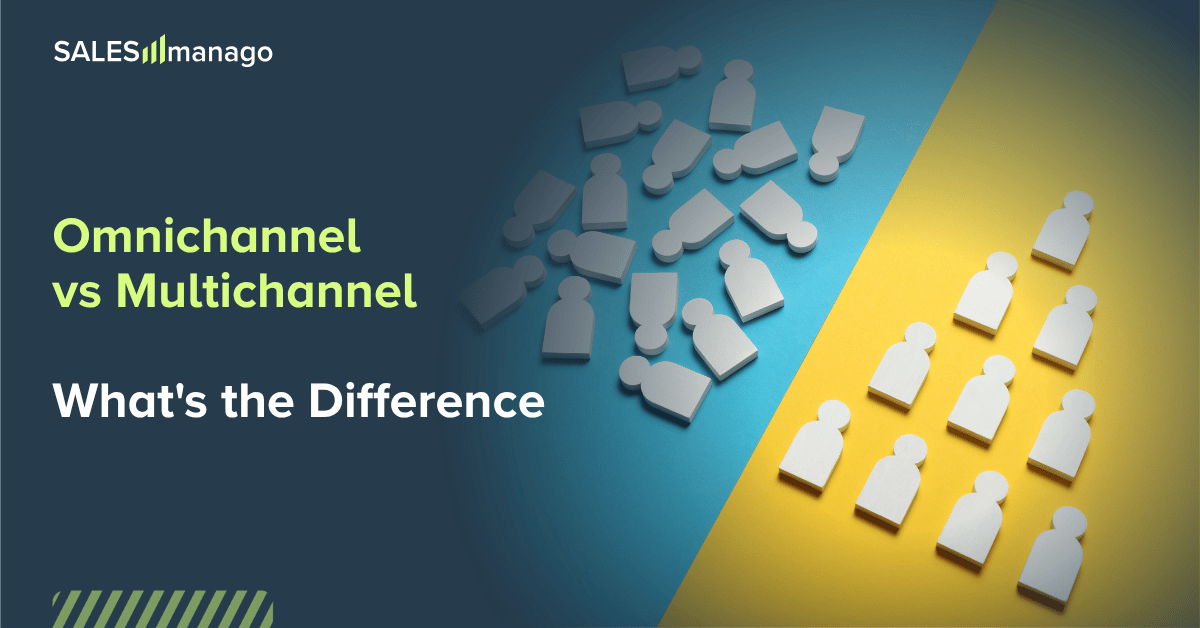
You’ve seen the slide before. You know the one with your brand in the middle, channels radiating outward like a proud little sun. Email, SMS, web push, social, paid ads, on-site personalisation, maybe a loyalty program if you're feeling ambitious. It says "
This month isn’t about being fooled by the next massive industry panic or buying into stressful, hyper-complex tech trends. Low-friction joy? Welcome to the era of Treatonomics.