Avoid Post-purchase Black Hole with Use of Innovative Marketing Automation

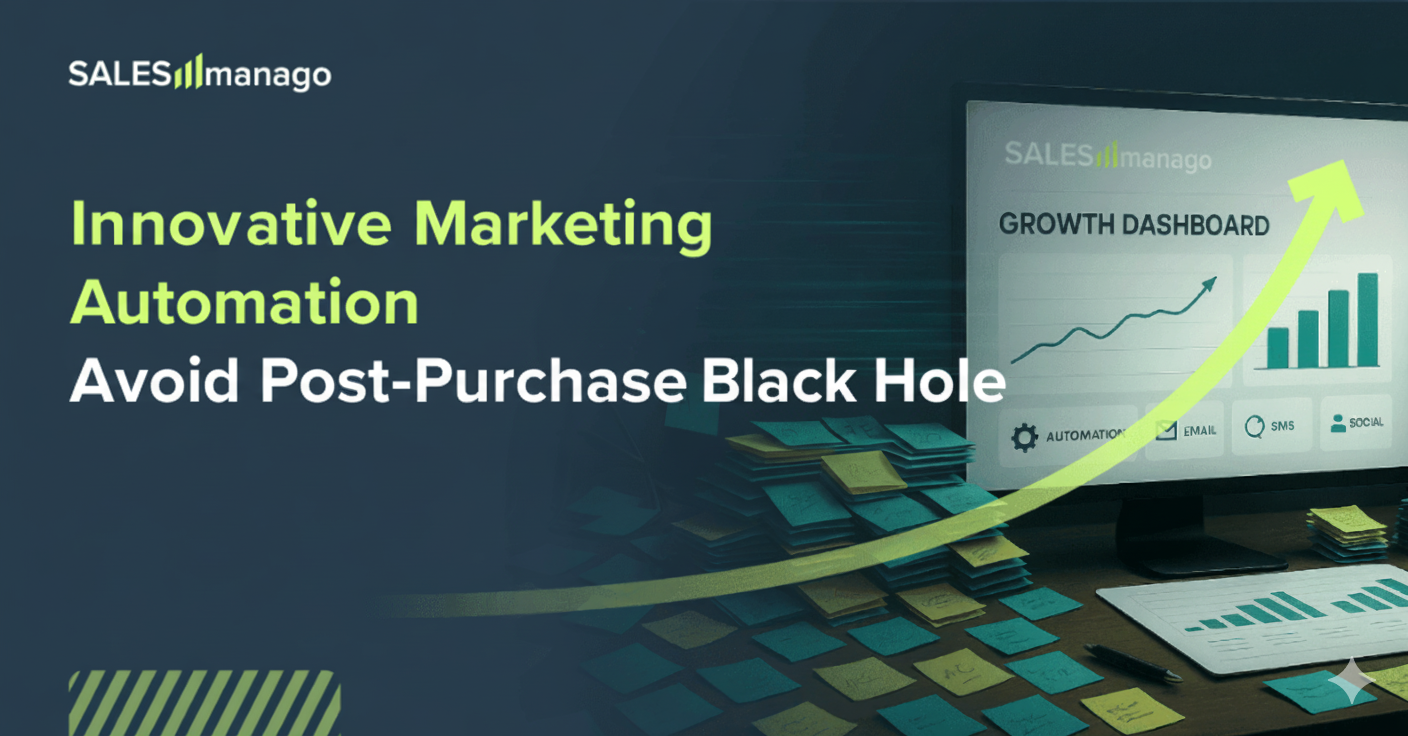
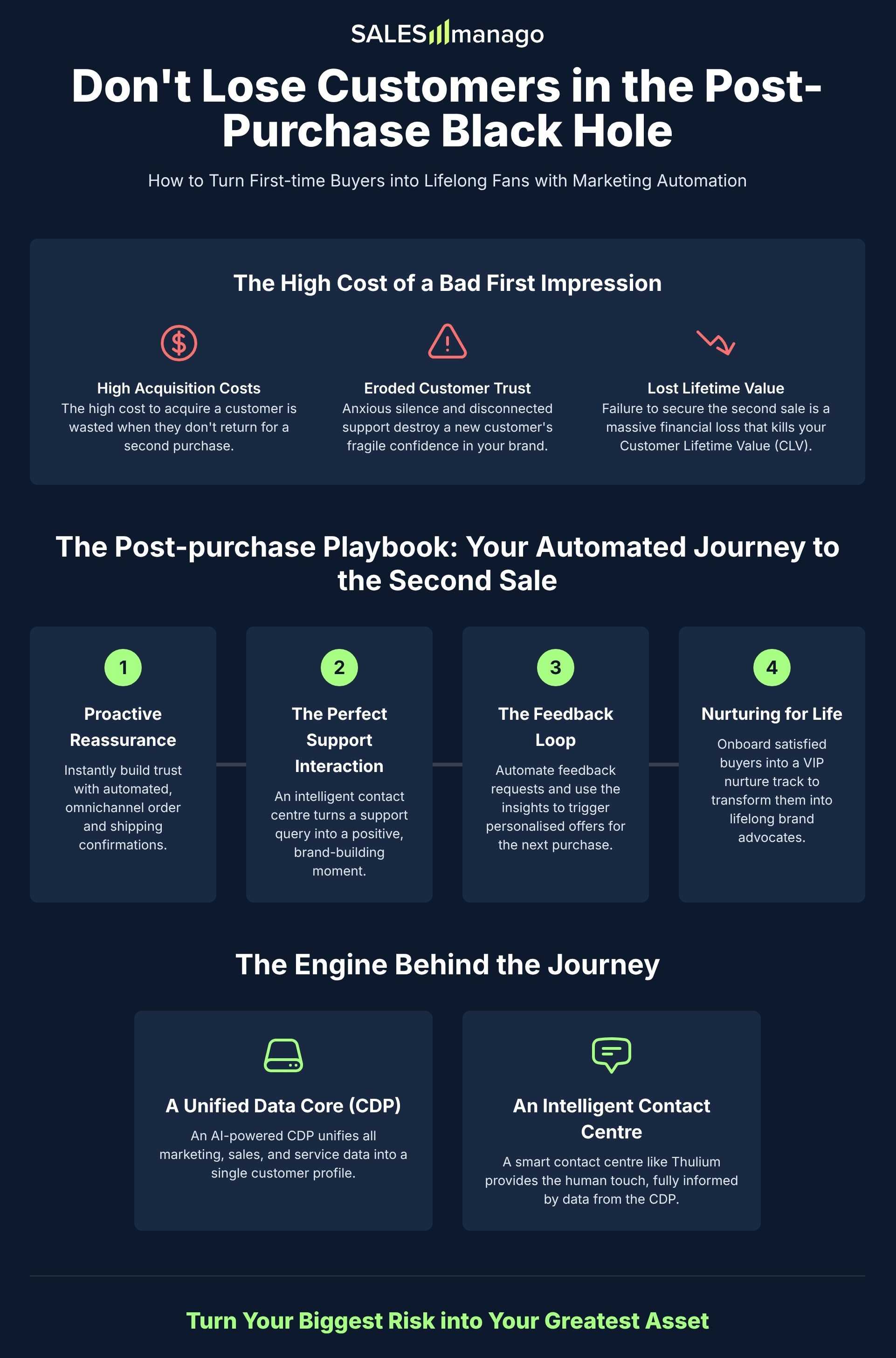
The single most expensive word in the marketing dictionary is "acquisition." We invest enormous resources like time, budget, and creative energy, into driving that first purchase. Yet for a huge number of businesses, the moment a customer clicks "buy," they fall into a "post-purchase black hole": an anxious silence filled with generic transactional emails and a complete lack of personalised engagement.
This is the most critical and undervalued phase of the entire customer journey. While companies obsess over acquiring new customers, the key to profitable, sustainable growth lies in a simple, often-overlooked goal: perfecting the post-purchase experience to secure the all-important second sale.
Neglecting the post-purchase journey isn't just a missed opportunity; it's a direct hit to your bottom line. The strategy of "acquire at all costs" is a relic of a past era, and in today's competitive landscape, it's a recipe for a leaky bucket that can never be filled fast enough.
The numbers are unequivocal. It is a well-established marketing principle that acquiring a new customer is anywhere from five to 25 times more expensive than retaining an existing one. Furthermore, research from Bain & Company shows a mere 5% increase in customer retention can increase profitability by 25% to 95%. When a first-time buyer, acquired at significant expense, does not return for a second purchase, that's not just a lost sale; it's a significant, avoidable financial loss that directly impacts your overall profitability.
The problem is often rooted in a fragmented technology stack. Your marketing team might send automated follow-up emails, but the customer's first real interaction is often with a disconnected support team to ask the dreaded question, "Where is my order?". When that support agent has no visibility into the customer's purchase history or their previous marketing interactions, the result is a slow, frustrating, and generic experience. This creates a jarring disconnect that erodes the fragile trust a new customer has in your brand.
>> Read an article about How to Use Lead Scoring to Predict and Prevent Customer Churn
Transforming the post-purchase experience from a liability into an asset requires a new playbook. It’s a journey that can be fully automated, turning a period of high anxiety for the customer into a series of reassuring, value-added touchpoints that all but guarantee their loyalty.
The journey begins the moment the order is confirmed. This is your first and best chance to build trust. Using marketing automation, you must deliver timely, personalised, and omnichannel transactional messages. This means an instant, detailed order confirmation via email, followed by a shipping notification delivered via the customer's preferred channel—whether that's email or a direct SMS message. This proactive reassurance provides the peace of mind that is the foundation of any long-term customer relationship.
A new customer's first non-transactional interaction is often with your customer support team, and this is a critical moment of truth. An intelligent, omnichannel contact centre is no longer a "nice-to-have"; it's essential. When a customer calls, emails, or starts a live chat, the support agent—using a fully integrated platform like Thulium—must have a complete, 360-degree view of that customer's history from the CDP. Seeing their recent purchase, their browsing history, and their marketing interactions allows the agent to provide a fast, empathetic, and context-aware solution, turning a moment of potential frustration into a powerful, brand-building experience.

Once the product has been delivered, the journey shifts from reassurance to re-engagement. This is the time to close the loop. An automated workflow should be triggered to gather feedback, such as a product review request or a simple Net Promoter Score (NPS) survey. The innovation here is to use the customer's response to trigger different automated journeys. A happy customer could be automatically enrolled in a loyalty program, while a detractor could be routed to a senior support agent for personal follow-up. The journey culminates in using AI-powered recommendations to send a smart, targeted offer for their next purchase, directly encouraging that crucial second sale.
The final phase of the journey is about long-term retention. Once you have successfully secured the second purchase, that customer has demonstrated a high potential for loyalty. Your automation platform should be configured to automatically enrol these satisfied, multi-purchase customers into a dedicated "VIP" or loyalty nurture track. The goal is to continue providing value through exclusive content, early access to new products, and personalised offers long after the initial transaction, transforming a one-time buyer into a lifelong, profitable advocate for your brand.
This sophisticated, automated journey is not possible with a fragmented collection of tools. It requires a modern, unified technology stack with two core components.
This entire journey is only possible with a Customer Data Platform that unifies marketing, sales, and service data into a single, real-time customer profile. The CDP is the central brain that ensures every part of the automation—from the email to the support interaction—is working from the same complete and up-to-date picture of the customer.
The second component is an intelligent, fully integrated contact centre that acts as the "voice and ears" of your post-purchase experience. By integrating it with the CDP, every conversation is informed by data, and every data point is enriched by the conversation. This creates a powerful feedback loop that constantly improves both your customer service and your marketing intelligence.
The post-purchase journey doesn't have to be a "black hole" of uncertainty and lost revenue. For too long, businesses have focused their best technology and brightest minds on the top of the funnel. The greatest opportunity for profitable growth now lies in what happens after the first click to buy.
By using innovative marketing automation and a unified approach to customer service, you can transform this period of high anxiety into your most powerful engine for building trust, fostering loyalty, and driving the sustainable, long-term growth that defines a true market leader.


Google "what percentage of loyalty programs fail" and you'll get a wider range than the Andes (world’s longest mountain range for those of you who failed Geography). Depending where you read anywhere from 20% to 97%. That tells you two things. First, nobody really agrees on what "fail" even means. Second, quite a lot of loyalty programs aren&...
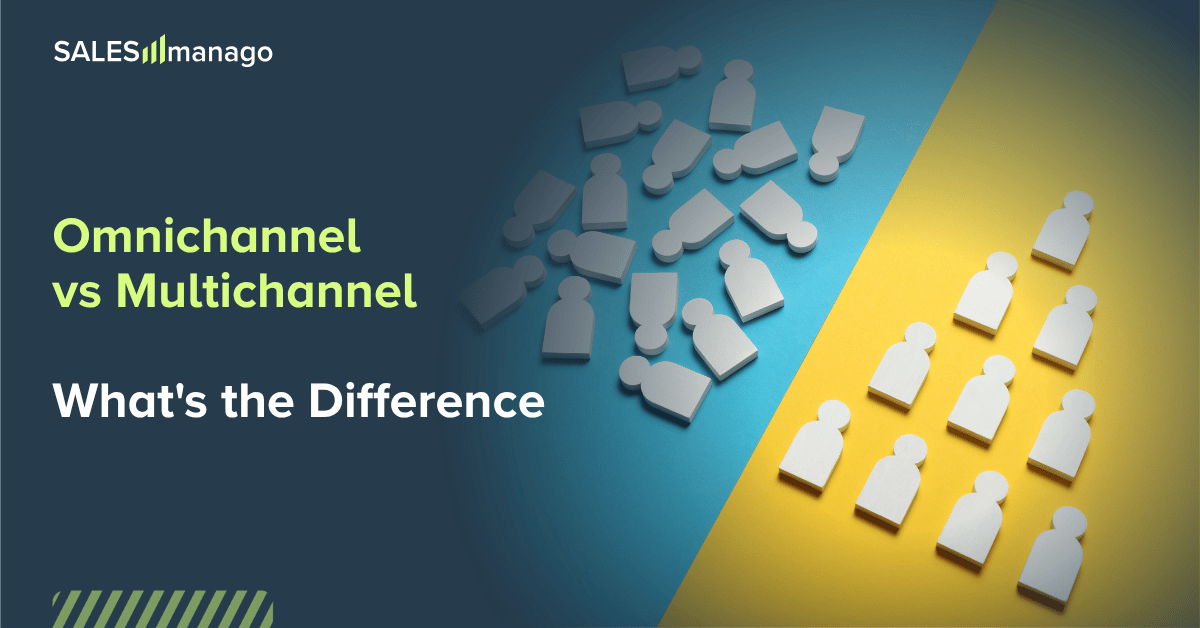
You’ve seen the slide before. You know the one with your brand in the middle, channels radiating outward like a proud little sun. Email, SMS, web push, social, paid ads, on-site personalisation, maybe a loyalty program if you're feeling ambitious. It says "
This month isn’t about being fooled by the next massive industry panic or buying into stressful, hyper-complex tech trends. Low-friction joy? Welcome to the era of Treatonomics.