Marketing Automation 101: How to Streamline Campaigns and Maximise ROI

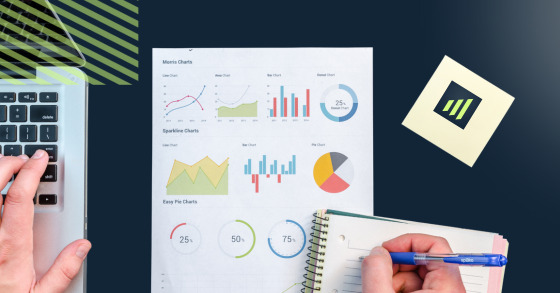
Marketing automation tools are revolutionising the way businesses engage with their audiences. From personalised email campaigns to AI-driven customer segmentation, these tools streamline marketing processes, enhance efficiency, and improve ROI. But how exactly do they work, and which one is right for your business? We’ll break down the key benefits, essential features, and top marketing automation tools of 2025.
A marketing automation tool is a handy instrument that makes it much easier for companies to manage routine marketing tasks. Customer databases, customer interaction history, and records of customer behaviour and interests are the basis for personalised communication and targeted messages based on where each customer is in the funnel.
In this article, we will explain the role of a marketing automation tool and how it can contribute to more effective communication, brand trust and increased sales.
A marketing automation tool is essentially specialised software that performs marketing tasks automatically, without staff intervention.
Thus, processes related to e-mail marketing, consumer behaviour, lead prioritisation and personalised advertising messages are performed in a digital, automated system that collects, analyses and processes data to make marketing actions more efficient.
Thus, while with traditional marketing methods, a company's staff spends more than 80% of their working time analysing and interpreting data, with automated marketing software these tasks are performed effortlessly by artificial intelligence tools. Thus, while the marketing team deals with the creative side, devising strategies and persuasive messages, a marketing automation tool selects the audience categories at different levels of the marketing funnel and tailors the way of communicating with each of them.
There are repetitive tasks at which computers are unquestionably better than humans, as they excel at two characteristics essential to routine work: precision and a constant degree of attention and interest in every piece of data entered and processed.
Thus, we can talk about the following benefits of marketing automation:
Time savings. Tasks involving hours of labour are performed by artificial intelligence in mere seconds.
Improved efficiency and consistency. While the most creative and conscientious of employees lose interest and focus performing the same repetitive tasks, the software can do them efficiently and with a consistent output, eliminating errors and improving the marketing department's efficiency.
A high degree of personalisation. The efficient processing of data about prospects, customers or loyal customers makes the strategies appropriate to each one different and, consequently, targeted to each one's interests, and therefore more effective.
Any marketing effort is, of course, aimed at measurable results. With a marketing automation tool, through personalised communication and advertising, the effects will certainly be greatly amplified, and the quantification of marketing efforts will be easily done.
While each stage of the marketing process requires staff, a marketing automation tool is software that involves multiple uses that are automatically integrated into a unified package. Here are the most important features of such a digital tool:
Email marketing is today a proven effective method for contacting customers, and the help of a marketing automation tool is invaluable for companies that want to step up their efforts and generate messages on different occasions, holidays, promotions, campaign launches, new product line releases, loyalty campaigns, etc.
An effective marketing automation tool is able to trigger emails, personalise the messages, send them according to a given schedule, sort and categorise them, and last but not least, monitor the effects of the emails and the behaviour they have triggered in each recipient.
Lead management is another key functionality of marketing automation software. Having the ability to track a prospect's behaviour, a buyer's behaviour, and all the movements made along the sales funnel is extremely useful for companies. Coupled with the generation of personalised emails sent at specific times, the result is a powerful and effective marketing tool.
Potential customers are highly mobile and do not only focus on one channel. It is difficult for the marketing team to track this volatile behaviour, but a centralised automated tool can manage their multi-channel interactions and generate campaigns and messages appropriate to each channel, targeting prospects based on their interests and how they spend their time online.



Google "what percentage of loyalty programs fail" and you'll get a wider range than the Andes (world’s longest mountain range for those of you who failed Geography). Depending where you read anywhere from 20% to 97%. That tells you two things. First, nobody really agrees on what "fail" even means. Second, quite a lot of loyalty programs aren&...
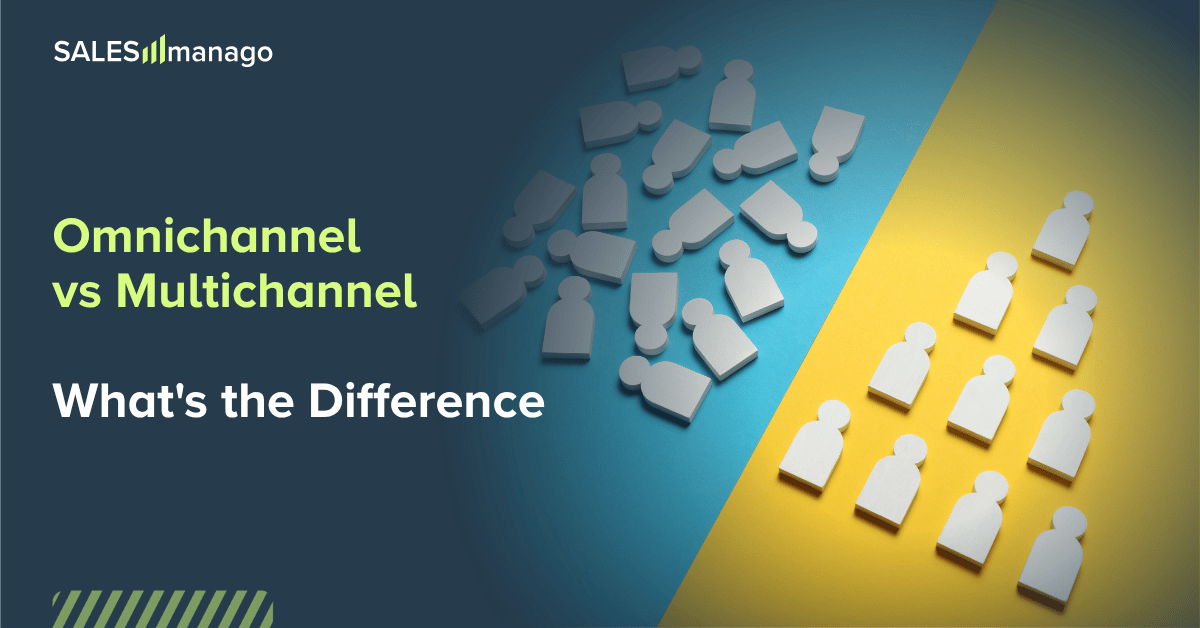
You’ve seen the slide before. You know the one with your brand in the middle, channels radiating outward like a proud little sun. Email, SMS, web push, social, paid ads, on-site personalisation, maybe a loyalty program if you're feeling ambitious. It says "

This month isn’t about being fooled by the next massive industry panic or buying into stressful, hyper-complex tech trends. Low-friction joy? Welcome to the era of Treatonomics.