
scroll down for the video recording
In a world marked by relentless technological evolution, marketers are navigating a landscape of significant change. The confluence of data, composability, and artificial intelligence (AI) is driving a transformative era in marketing, opening up new horizons and opportunities. This article is a summary of Scott Brinker’s presentation at the online eCommerce Innovate Confab with SALESmanago held on October 18th. “Marketing Leaders should navigate the hype cycle carefully, finding the “Goldilocks zone” that balances excitement and pragmatism about new technologies.” – says Brinker. We will now delve into these three key forces shaping the MarTech space.
A recent report by IBM, where CEOs were interviewed about the factors that would impact their businesses over the next three years, highlighted technology as the leading factor. This technological revolution is part of a broader pattern known as the Gartner Hype Cycle, where new technologies initially generate high expectations, followed by a disillusionment phase before revealing their true capabilities.
The Evolution of Data
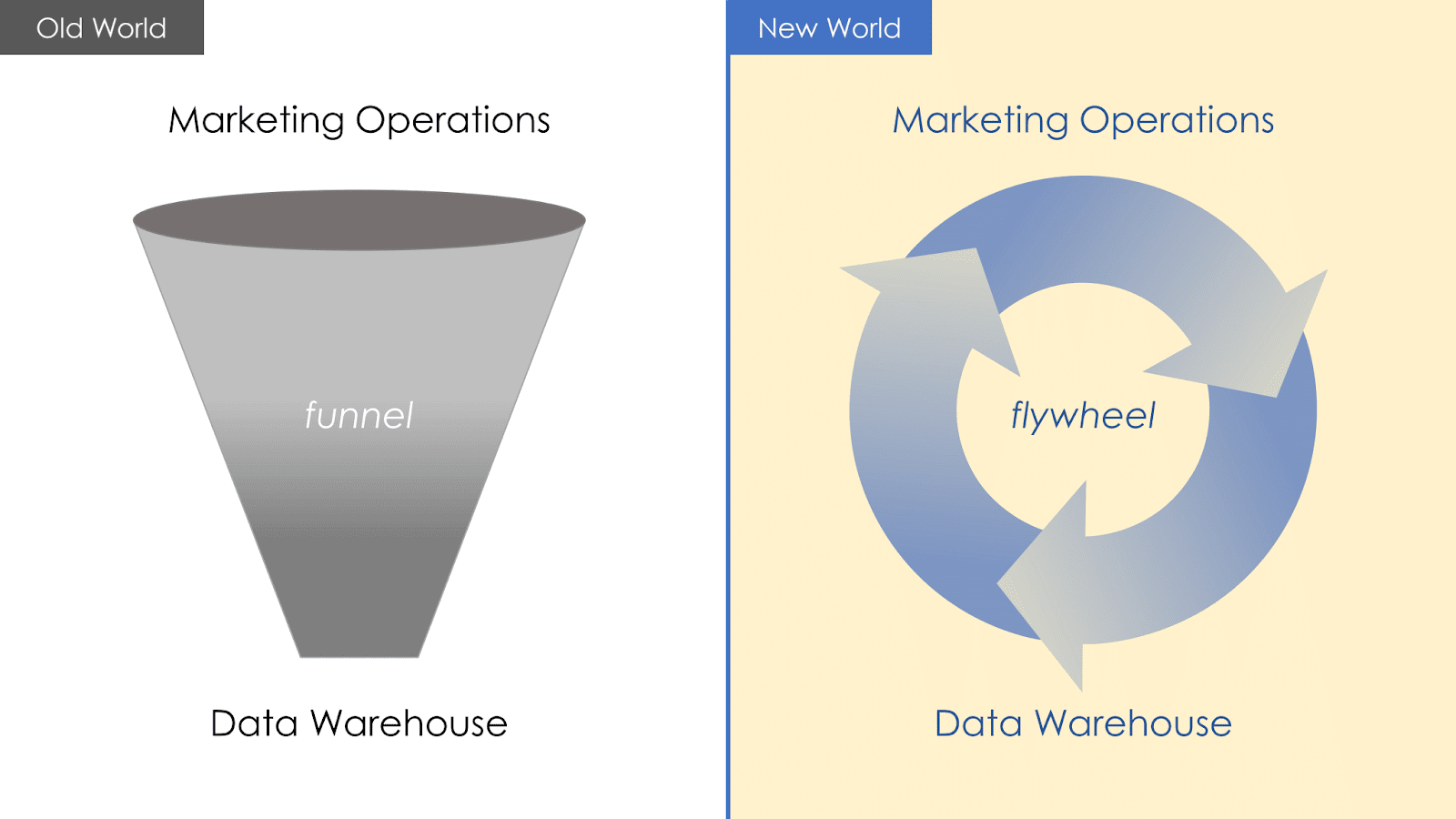
The journey begins with data, the lifeblood of modern marketing. Traditionally, data in marketing was siloed within different MarTech applications, making integration a complex endeavor. Over time, data started flowing into cloud data warehouses, facilitated by Extract, Transform, Load (ETL) processes. However, much of this data remained underutilized within those warehouses. In recent years, a significant shift has occurred with the emergence of tools known as Reverse ETL, enabling bidirectional data sharing between apps and cloud data warehouses. This shift is forming a universal data layer, accelerating analytics, machine learning, and fostering data sharing across departments. The transition from a one-way data push to a dynamic data cycle unlocks new data and insights for more effective customer engagement, reducing the constraints of integration.
The Power of Composability
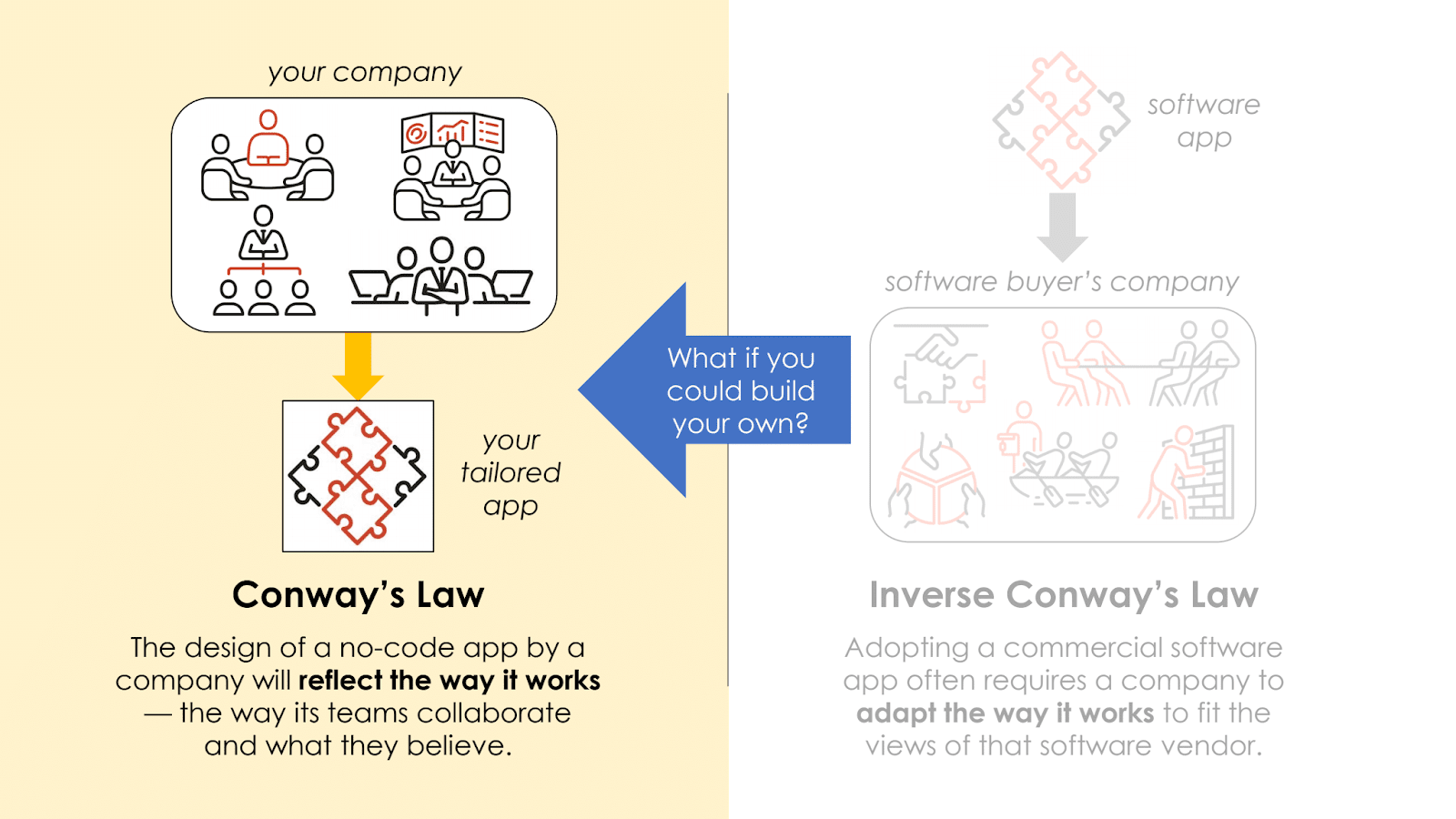
Composability, often likened to building with Lego blocks, is another key player in this transformation, reshaping how businesses leverage software and applications. This concept is underpinned by Conway’s Law, which suggests that software reflects the structure of the teams that build it. As software becomes more configurable and open, businesses can adapt their operations to match the capabilities of these tools.
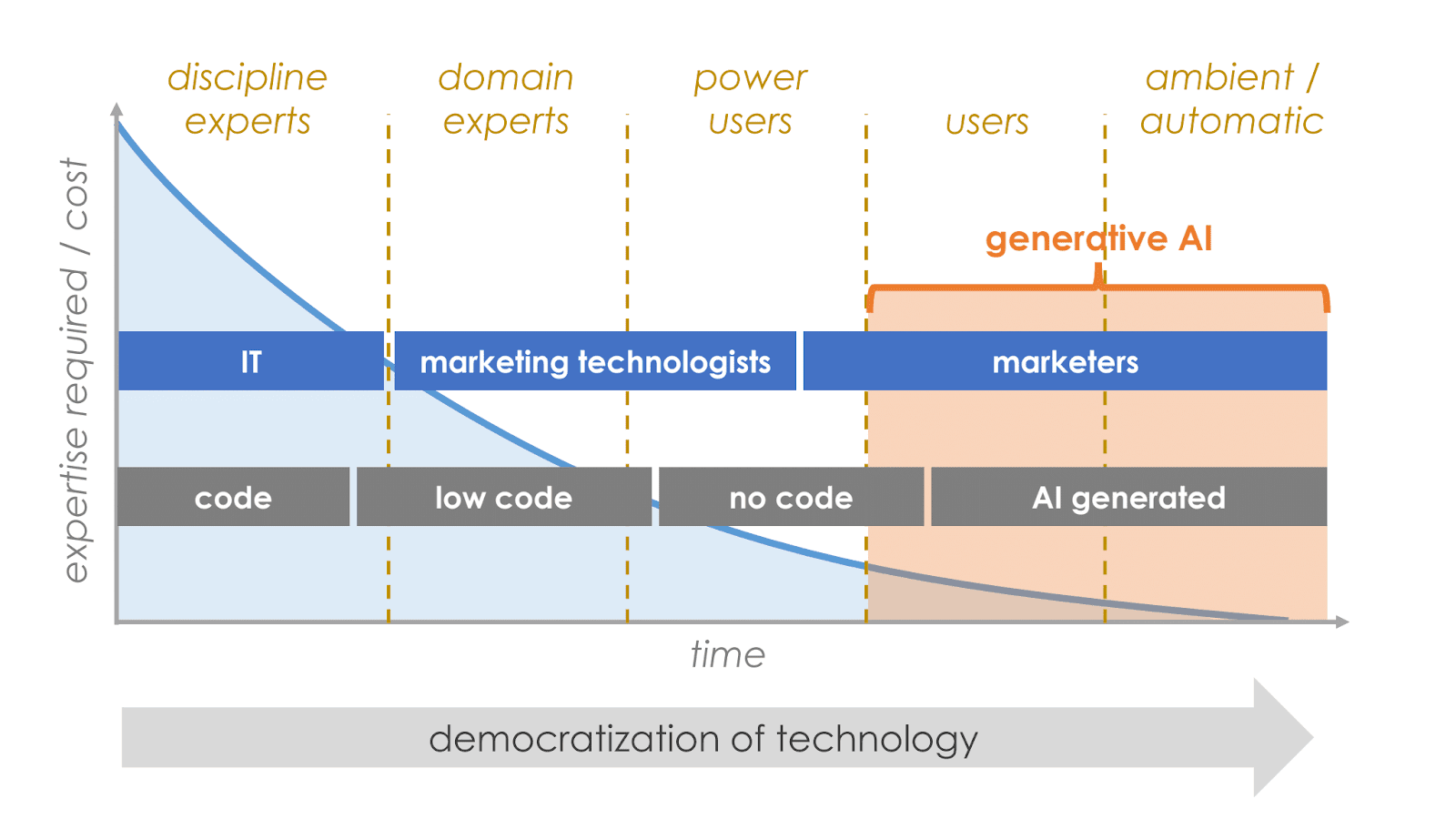
This democratization of technology empowers not just experts but general users to customize, compose, and innovate. The shift towards composability is turning previously underserved areas into fertile ground for innovation.
Moreover, as automation scales across organizations, it transcends individual tasks to orchestrate processes that span multiple teams and departments. This shift promotes innovation and experimentation while reducing the cost and time required for change.
AI as a Transformative Channel
“AI isn’t just about creating content or automating tasks; it’s fundamentally changing the way we interact with software. Some plugins won’t just answer your questions but can do things like, find flights and hotels for you. It can make restaurant reservations. It can do grocery shopping for, actually putting things in your cart. This is starting to take on more and more of an agent service.”
Artificial Intelligence, a buzzword that needs no introduction, is revolutionizing marketing, permeating every aspect of MarTech, from content creation to personalization and predictive analytics. AI-powered tools like Microsoft Power Apps are becoming co-pilots, simplifying complex tasks and enhancing productivity. The democratization of AI is not just about automation; it’s about empowering users across the spectrum, from domain experts to general business users.
AI is also opening new channels for engaging with audiences. Chat GPT plugins exemplify how AI agents can go beyond answering questions, becoming personal assistants capable of tasks such as making reservations and shopping. These AI interfaces will transform how marketers think about SEO and audience engagement.
Second-Order Effects
As these forces—data, composability, and AI—continue to evolve, they trigger second-order effects. Trusted sources gain prominence in a world awash with content. The scale and complexity of software and workflows present new challenges for IT departments. Data becomes a marketing channel, and companies may create proprietary data sets to establish moats. Automation extends beyond tasks to orchestrate processes across departments, accelerating innovation.
Embracing the Super Collision
The combination of data, composability, and AI is described as a “super collision” that will significantly impact marketing and business capabilities. These forces feed off each other, leading to a reset in the level of capability across businesses.
The collision of data, composability, and AI is reshaping marketing as we know it. This super collision offers not only challenges but also immense opportunities. Investing in employee enablement and education is crucial to unlock the full potential of these transformative technologies. As we navigate this ever-evolving landscape, marketing leaders must embrace change, adapt, and position their teams for success.
In the coming years, we can expect the impact of these forces to ripple throughout the marketing world, opening new opportunities and challenges. As marketing professionals, staying agile and informed will be key to harnessing the power of Data, Composability, and AI.
Source: https://youtu.be/FpWYsoS7f3k
*Scott Brinker, VP Platform Ecosystem at HubSpot and Editor at chiefmartec.com. Godfather of Martech, best known for his work on the marketing technology landscape, which has grown exponentially over the past 12 years. The landscape has evolved from around 150 products in 2011 to over 11,000 in the most recent release, reflecting significant changes in marketing.
Share with Your Community


Latest posts

August 18, 2025
The 8 Best AI Tools for Ecommerce to Drive Revenue and Retention
Walking into the world of AI tools for ecommerce feels a bit like being a kid in a sweet shop with unlimited pocket money. There are endless shiny options, from AI copywriters that promise perfect prose to chatbots that never sleep. But for a business leader, this excitement can quickly turn into a strategic headache.

August 11, 2025
3 SMS Growth Hacks to Turn Conversations into Conversions
In the relentless pursuit of customer retention, many ecommerce brands treat SMS marketing like a megaphone: a tool for one-way, impersonal broadcasts. This approach, a monologue from brand to consumer, is actively costing you customers because in an era where connection is currency, talking at your audience instead of with them creates a 'rete...
August 4, 2025
The Personalisation Penalty: The Revenue You’re Losing Without AI
If you are working in eCommerce or any other industry that deals with customers, you know it already. There's a revenue penalty, one that grows with every customer interaction that falls short of their expectations. I call it the Personalisation Penalty.